From Pastoral Communities to Gulf Markets
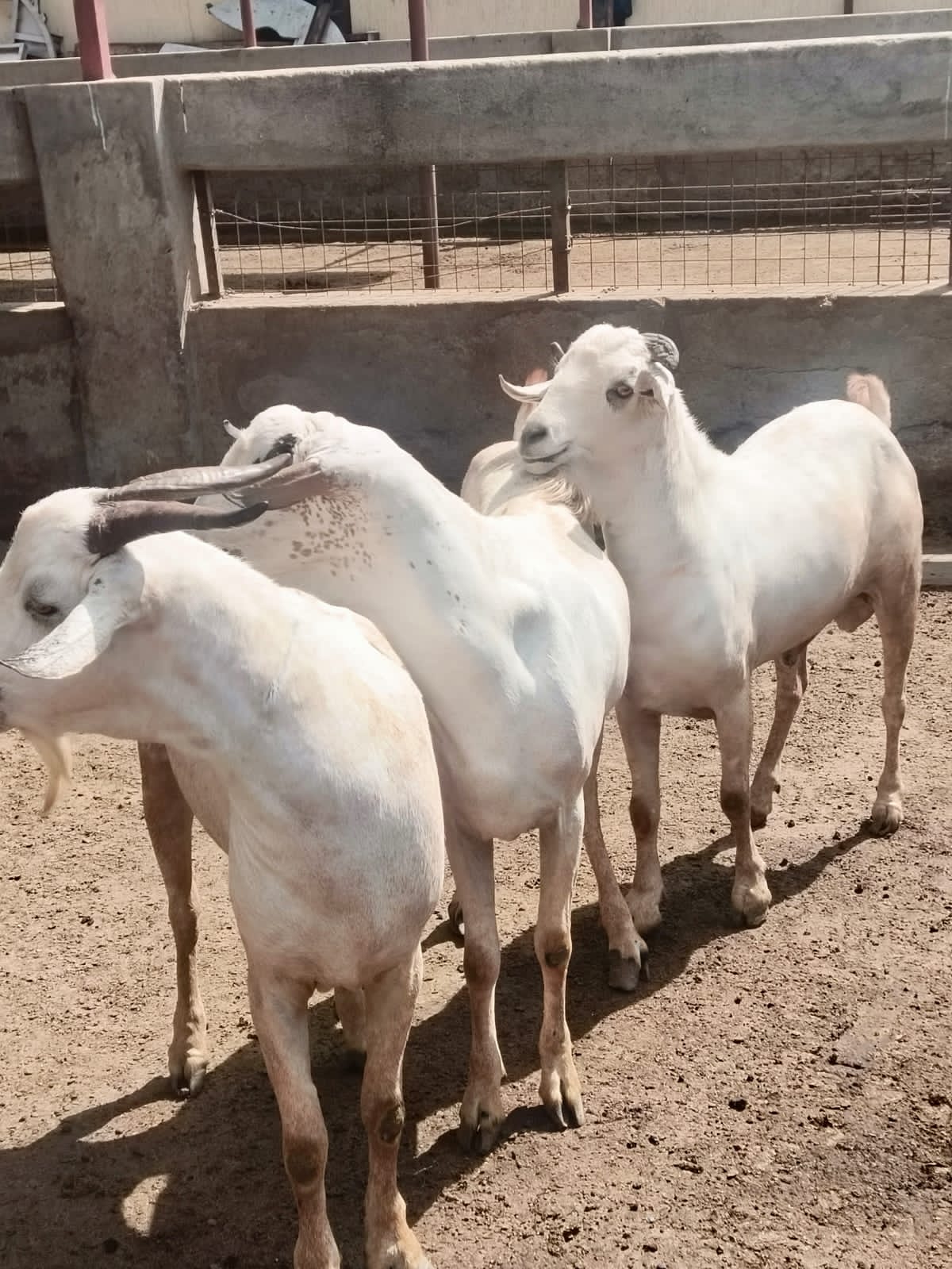
Livestock offtake plays a critical role in Kenya’s meat value chain, especially in supporting pastoral communities in marginalized and arid regions. At Sowle Trading Company Limited, we provide a structured, ethical, and export-focused livestock offtake model that directly links pastoralists to formal slaughter facilities and international meat markets.
This blog explains our step-by-step livestock offtake process in Kenya, from community support to export of processed meat to Gulf countries.
Supporting Pastoral Communities in Marginalized Regions
Our livestock offtake model begins with empowering pastoral communities across Kenya’s marginalized and ASAL regions.
We facilitate livestock keepers by providing:
Livestock fodder, especially during drought and dry seasons
Veterinary medication and animal health support
Training on best practices in animal rearing, feeding, and disease control
These interventions improve livestock health, increase market readiness, and enhance pastoral livelihoods.
Direct Livestock Offtake Without Middlemen
We offtake livestock directly from pastoralists, not from traders or brokers. This approach ensures transparency, fairness, and traceability.
By avoiding middlemen, we:
Offer fair livestock prices to producers
Reduce exploitation of pastoral communities
Strengthen trust and long-term partnerships
This direct livestock offtake system supports inclusive economic growth and sustainable livestock marketing in Kenya.
Livestock Selection and Quality Assurance
Before transportation, livestock undergoes basic quality and health assessments to ensure compliance with formal processing requirements.
Our teams verify:
Animal health and physical condition
Ownership and traceability
Suitability for slaughter and export markets
This ensures only quality livestock enters the formal meat value chain.
Livestock Transportation to Nairobi
Once approved, livestock is transported from pastoral regions to Nairobi under regulated and humane conditions.
Our logistics process focuses on:
Animal welfare during transit
Compliance with Kenyan transport regulations
Maintaining livestock quality
Efficient transportation is critical to preserving value before slaughter.
Slaughtering Services at KENMEAT
In Nairobi, livestock is delivered to KENMEAT, Kenya’s state-owned meat processing facility.
We have contracted KENMEAT to provide professional slaughtering services, ensuring:
Compliance with Kenyan meat inspection standards
Food safety and hygiene
Traceability within the formal meat processing system
KENMEAT plays a key role in maintaining internationally acceptable meat standards.
Meat Export to Gulf Countries
After slaughtering and processing, the meat is transported for export to Gulf countries.
This stage involves:
Cold-chain transportation
Compliance with veterinary and export regulations
Meeting international food safety standards
Through this process, livestock sourced from Kenyan pastoral communities reaches high-value export markets in the Gulf region.
Strengthening Kenya’s Livestock and Meat Value Chain
Our integrated livestock offtake model:
Improves incomes for pastoral communities
Enhances food safety and traceability
Supports Kenya’s meat export industry
Promotes sustainable livestock production
By combining community support, direct offtake, formal slaughtering, and international exports, we create a reliable bridge between pastoral producers and global markets.
Why Choose Our Livestock Offtake Services
Direct sourcing from pastoral communities
No middlemen or traders involved
Professional slaughtering through KENMEAT
Export-ready meat for Gulf markets
Commitment to community empowerment and sustainability