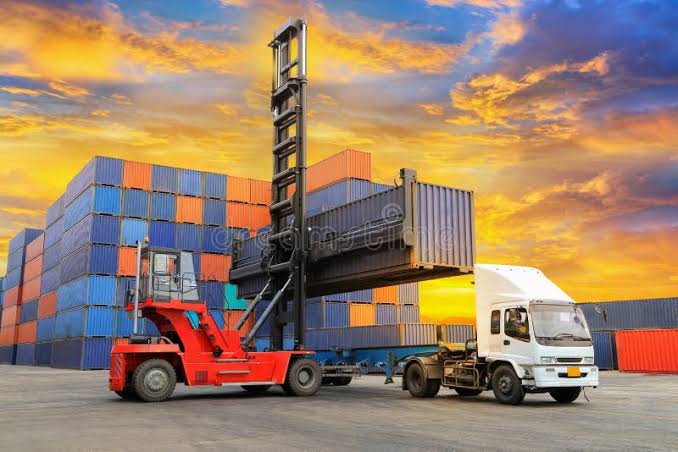
Meat Export Logistics
1. Introduction
- Overview of the growing demand for global meat exports.
- Importance of efficient logistics in ensuring quality, safety, and timely delivery.
- Your company’s role as a trusted partner in meat export logistics.
2. Regulatory Compliance & Documentation
- Health & Sanitary Certifications:
- Veterinary Health Certificate
- Halal certification (where applicable)
- Export Permits & Licenses:
- Country-specific import requirements (e.g., USDA, EU standards)
- Customs Clearance:
- Harmonized System (HS) codes
- Declaration and inspection processes
- Traceability:
- Documentation for origin and production
- Batch and lot tracking systems
3. Cold Chain Management
- Temperature-Controlled Storage:
- Use of refrigerated warehousing (chilled/frozen sections)
- Temperature Monitoring & Logging:
- Real-time temperature tracking throughout the journey
- Packaging Solutions:
- Vacuum-sealed, insulated, or modified atmosphere packaging
- Tamper-evident and contamination-proof materials
4. Transport & Freight Solutions
- Domestic Transport:
- Collection from slaughterhouses or processing plants
- Reefer trucks equipped with temperature controls
- International Freight:
- Reefer container shipping (sea freight)
- Air freight for premium or time-sensitive shipments
- Route Optimization:
- Fastest and safest transit routes to preserve shelf life
5. Warehousing & Distribution
- Staging Areas for Export:
- Temporary cold storage near ports or airports
- Load Consolidation:
- Combining shipments for cost efficiency and easier tracking
- Last-Mile Delivery (Destination Country):
- Coordination with local distributors and importers
6. Risk Management & Quality Assurance
- Hazard Analysis & Critical Control Points (HACCP):
- Preventing biological, chemical, and physical hazards
- Insurance Coverage:
- Cargo insurance for perishables
- Contingency Planning:
- Backup transport, customs solutions, and emergency storage
7. Technology Integration
- Supply Chain Visibility:
- GPS and IoT tracking for location and temperature
- Digital Documentation & E-Certificates:
- Faster processing and less paperwork
- Customer Portals:
- Real-time updates and order management
8. Sustainability & Environmental Practices
- Eco-Friendly Packaging:
- Recyclable or biodegradable materials
- Fuel-Efficient Logistics:
- Route planning and use of alternative fuels
- Carbon Footprint Reporting:
- Transparent emission tracking for conscious clients
9. Conclusion
- Emphasize your company’s capability in managing complex meat export logistics.
- Reassure clients about quality, compliance, and efficiency.
- Call-to-action: Contact your logistics experts for tailored export solutions.